Cold Weather Assignment Essentials Healthcare Travelers Forget to Pack
Published on November 7, 2026
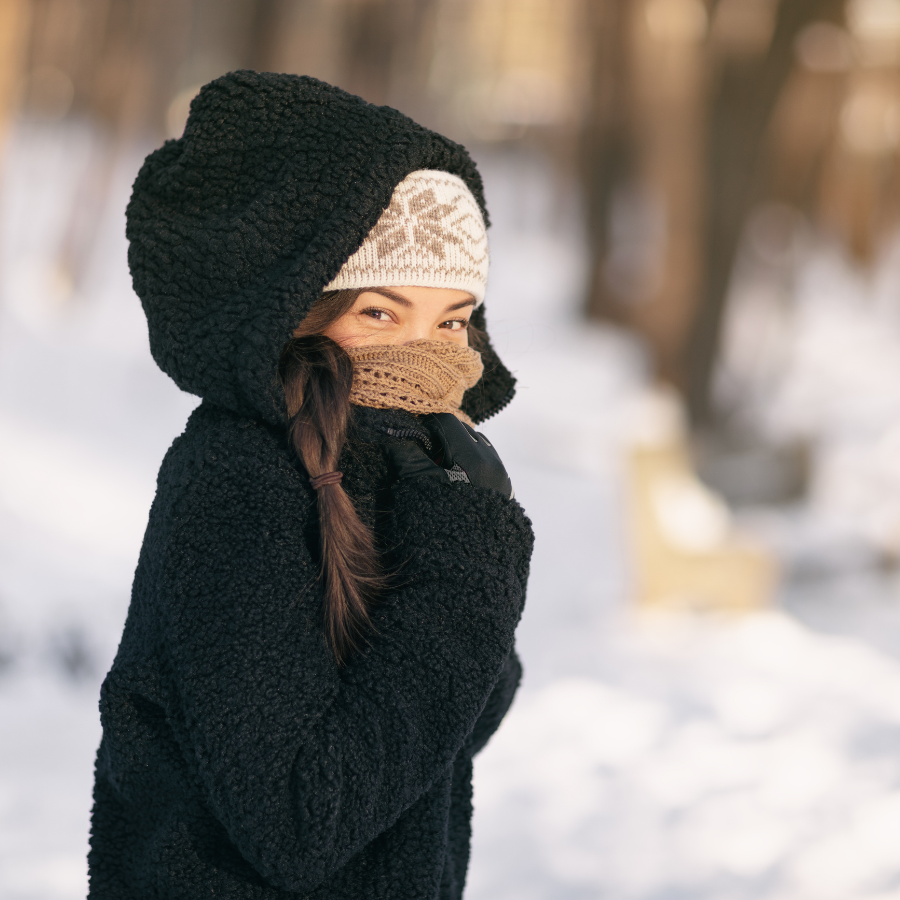
Packing for a travel healthcare assignment always feels easier before you actually start doing it. You know you need scrubs, shoes, toiletries, clothes, chargers, and whatever makes your temporary housing feel a little more like home. If you are heading somewhere cold, you probably remember a winter coat and a few sweaters too.
Then the temperature drops, your windshield is covered in ice before a shift, and you realize the cute coat you packed was designed for walking from the car into a restaurant, not standing outside at 6 a.m. in 15-degree weather.
Cold-weather assignments require a different kind of packing, especially if you are coming from somewhere that does not experience much winter. You do not need to move an entire winter sporting goods store into your furnished rental, but there are a few things that can make the next several months considerably easier.
Before you zip the suitcase and start driving north, make sure these cold-weather assignment essentials are coming with you.
A Winter Coat That Is Actually Warm
There is a difference between a coat that looks appropriate for winter and one that can handle winter.
If you are heading somewhere with genuinely cold temperatures, look for a coat that protects you from wind and precipitation and gives you enough room to layer underneath. Length can make a difference too, especially when you are standing outside scraping ice off your car before sunrise.
You do not necessarily need the most expensive coat you can find, but this is one item worth choosing for function rather than appearance alone.
Check the typical temperatures for your destination during the entire assignment. November weather may feel manageable when you arrive, but if your contract runs through February, you need to pack for February too.
Waterproof Boots With Good Traction
The shoes you wear around home may not be enough when sidewalks are icy and parking lots are covered in slush.
A good pair of waterproof winter boots can make everyday life much easier, particularly if you have to walk any distance between parking and the facility. Look for traction and warmth, and make sure you can comfortably wear them with thicker socks.
You can always change into your work shoes once you are inside.
Winter boots are also useful on your days off. Exploring a new destination is much more enjoyable when your feet are not cold and wet 20 minutes after leaving your rental.
More Warm Socks Than You Think You Need
Cold feet can ruin your mood surprisingly quickly.
Pack several pairs of warm socks for outside work, especially if you plan to spend time exploring outdoors. Wool or other moisture-managing options can be helpful because they provide warmth without leaving your feet damp.
Just remember that thicker socks take up more room inside your shoes and boots. Try everything together before packing rather than discovering after you arrive that your favorite boots are painfully tight with winter socks.
Your regular work socks can stay in the rotation too. The heavy ones are primarily for surviving everything between your front door and wherever you are going.
Gloves You Can Actually Function In
Gloves are easy to forget until the first morning you have to touch an ice-covered car door.
Bring a pair warm enough for everyday use and consider whether you need something heavier if you plan to spend significant time outdoors. Touchscreen-compatible gloves can be helpful when you need to use your phone without exposing your hands every few minutes.
Keep an inexpensive backup pair in your car or work bag. Gloves have an impressive ability to disappear one at a time, usually when the weather is at its worst.
If you are going somewhere extremely cold, mittens may be worth considering too. They are not always as convenient, but they can provide more warmth when you are outside for longer periods.
A Hat That Covers Your Ears
You may not consider yourself a hat person.
Winter may change that.
A warm beanie or knit hat that covers your ears takes up almost no room in your luggage and can make a huge difference when temperatures drop. If you work early mornings or nights, you may regularly be outside during the coldest part of the day.
Throw one in your work bag even if you do not think you will need it.
The first windy walk across a hospital parking lot may change your mind.
A Scarf or Neck Gaiter
A scarf is one of those things that can feel unnecessary until cold wind finds the tiny gap between your coat and your neck.
Pack something that is easy to wear with your winter coat and does not take up much space. A neck gaiter can be particularly convenient if you want warmth without dealing with a long scarf.
This can also be useful when you are spending a day outside exploring your destination.
Small items make a surprising difference when you are trying to stay warm for more than the walk from your car to the door.
Base Layers for Really Cold Destinations
If you are traveling somewhere with serious winter temperatures, layering becomes much more important than simply wearing a heavier sweater.
Thermal tops and leggings can fit under regular clothing without taking up much room. They are especially useful for outdoor activities, winter events, long walks, or any day when you know you will spend significant time outside.
You probably will not wear thermal layers under your scrubs during every shift, especially once you are inside a heated hospital. They are more useful for the rest of your assignment life.
If you are moving from Florida to Minnesota in January, this is not the time to assume jeans and a hoodie will be enough.
An Ice Scraper and Snow Brush
If you are driving to a cold-weather assignment, put an ice scraper and snow brush in your car before you leave.
Do not wait until the first freeze.
Do not assume the rental has one.
Do not plan to use a credit card.
A proper scraper costs very little, takes up almost no space, and becomes one of the most important things you own the first morning your windshield is covered in ice.
If you are heading somewhere with frequent snow, choose one with a longer handle and a brush so you can clear the entire vehicle without covering yourself in snow before work.
Windshield Washer Fluid Rated for Cold Temperatures
This is something travelers from warmer climates may never think about.
Windshield washer fluid can freeze if it is not designed for sufficiently cold temperatures. If you are moving somewhere with harsh winters, check what is already in your vehicle and make sure you are using a product appropriate for the conditions you will encounter.
Visibility matters even more when roads are wet, snowy, or covered in road salt.
While you are thinking about your vehicle, this is also a good time to check your wiper blades. If they already struggle in rain, winter probably is not going to improve their performance.
A Small Car Emergency Kit
Winter driving makes a basic emergency kit especially important.
At minimum, consider keeping a flashlight, portable phone charger, blanket, bottled water, basic first-aid supplies, and a few nonperishable snacks in the car. Depending on where you are traveling, you may also want jumper cables or a jump starter, a small shovel, and other items appropriate for local winter conditions.
You may never need any of it.
That is the goal.
But healthcare professionals often commute when other people can simply stay home. Having a few supplies available can give you extra peace of mind when the forecast gets ugly.
A Portable Phone Charger
Cold temperatures can affect battery performance, and winter weather is not the time you want to discover your phone is at 4 percent.
Keep a portable charger in your work bag or vehicle, especially if your commute takes you through rural areas or places where you could be delayed by weather.
Charge it regularly.
An emergency charger that has been sitting dead in your glove compartment since your last assignment is mostly decorative.
A Blanket for the Car
Yes, you already have blankets in your temporary housing.
Keep another one in the car.
A basic warm blanket takes up relatively little space and can be useful if you are ever stranded, delayed, or waiting for assistance in cold weather. It can also come in handy for winter sporting events, outdoor activities, or the passenger who is always cold on road trips.
This is one of those things you hope spends the entire assignment untouched in your trunk.
Pack it anyway.
Hand Warmers
Disposable or rechargeable hand warmers are easy to overlook, especially if you have never lived somewhere with a genuinely cold winter.
Keep a few in your car, work bag, or coat pocket. They can be especially helpful when you are scraping a windshield, attending an outdoor event, hiking, or exploring a winter destination.
They are inexpensive, small, and one of those things you will be extremely pleased to have when you finally need them.
If your assignment ends and you never use them, save them for the next one.
A Humidifier
Cold weather outside often means dry heated air inside.
If you are prone to waking up with a dry throat, dry skin, or feeling like your temporary rental has somehow removed every bit of moisture from the air, a small humidifier may make the space much more comfortable.
You do not necessarily need to pack one from home. This can be something you buy after you arrive if you realize you need it.
Just add it to the mental list of things that may suddenly make sense after a few weeks of running the heat.
More Moisturizer Than You Normally Use
Winter can be rough on your skin, and healthcare professionals are already washing and sanitizing their hands constantly.
Pack a good hand cream, face moisturizer, lip balm, and whatever else helps your skin handle dry weather. Keep lip balm and hand lotion in multiple places if necessary because the one tube you own will inevitably be somewhere else when you need it.
If you are moving from a humid climate to a dry, cold one, you may notice the difference quickly.
Your skin definitely will.
Sunglasses
Sunglasses may sound more like something you would pack for a beach assignment, but bright winter days can be surprisingly intense.
Sun reflecting off snow can make driving and outdoor activities uncomfortable, so keep a pair in the car.
You may leave home in darkness for an early shift and walk out of the hospital hours later into bright sunlight reflecting off an entire parking lot of snow.
Winter does not mean you can retire the sunglasses.
A Few Things to Make Your Rental Feel Cozy
Cold weather can mean spending more time inside, especially on days when you are tired after work and have no interest in going back into the cold.
Bring a few things that make your temporary housing feel comfortable. A favorite blanket, slippers, books, a streaming device, or whatever makes an evening at home feel relaxing can be worth the luggage space.
You do not need to decorate an entire furnished apartment.
A few familiar things can make a cold, unfamiliar rental feel considerably more like your own space.
A Slow Cooker, Air Fryer, or Whatever You Actually Use
This one depends entirely on how you live.
If cold weather makes you want soups, chili, pot roast, or other warm meals and you use a slow cooker constantly at home, it may be worth bringing one. If you never use one, do not pack it because some winter packing list told you to.
The same goes for an air fryer, coffee maker, or any other kitchen appliance.
Travel with the things that make your life easier.
There is no point sacrificing half your trunk to an appliance that will sit untouched on the counter for 13 weeks.
Clothes You Can Layer
You do not need a completely separate wardrobe for a winter assignment.
You need clothes that work together.
Long-sleeve shirts, sweaters, hoodies, leggings, jeans, and a few base layers can create plenty of options without filling every suitcase you own. Layering is also useful because temperatures can vary dramatically between the outdoors, your car, your rental, and a healthcare facility.
The goal is to be able to add or remove warmth without changing your entire outfit.
And if you are working inside a hospital all day, you may quickly discover that your coldest moments happen during the walk between the building and your car.
Something Appropriate for Winter Days Off
Think about what you actually want to do while you are there.
If you are planning to hike, ski, snowboard, snowshoe, attend outdoor sporting events, or explore winter festivals, you may need more than everyday winter clothing. Research the activity before you pack so you know what you need and what makes more sense to rent after you arrive.
If your winter plans mostly involve coffee shops, bookstores, restaurants, and watching snow through the window, your packing list can look very different.
Pack for the assignment you are actually planning to live, not somebody else's winter bucket list.
Don't Forget Your Work Commute
You may spend most of your shift inside, but you still have to get there.
Healthcare does not stop because it snowed overnight. Depending on your role and facility, you may be commuting while schools, offices, and other businesses are closed or delayed.
Before your first major winter weather event, understand how your facility communicates weather-related information and what is expected of staff. Give yourself additional travel time, keep your vehicle prepared, and know the route you will take if conditions are poor.
If you have never driven in snow or ice before, do not wait until the morning of a shift to start thinking about it.
Check Your Vehicle Before the Assignment
If you are driving into a colder climate, your car deserves some attention before you leave.
Check your tires, battery, wipers, fluids, brakes, lights, and general maintenance. Cold weather can expose a weak battery quickly, and worn tires become a much bigger concern when road conditions deteriorate.
You may also want to ask whether winter tires are common or recommended where you are going. Needs can vary significantly depending on the destination and the roads you will be driving.
A little preparation before the move is much easier than dealing with car trouble in an unfamiliar city during your first week.
Buy Some Things After You Arrive
You do not need to predict every possible winter need before leaving home.
Pack the essentials and give yourself permission to buy a few things once you understand the weather. Locals can also be a great resource. Ask coworkers what they keep in their cars, what kind of footwear they recommend, and what newcomers usually underestimate about winter there.
They have already lived through it.
If every coworker tells you to buy a particular item before the first major snow, there is probably a reason.
Cold Weather Can Be Part of the Adventure
A winter travel healthcare assignment may require more preparation, but it can also give you experiences you would never have at home.
You may see your first real snowfall, learn to ski, visit a city covered in holiday lights, spend weekends in the mountains, discover that you actually love cold weather, or confirm with absolute certainty that your next assignment needs palm trees.
Either result is useful.
The point of packing well is not to eliminate winter from the experience. It is to make sure you can enjoy the season without spending the first cold morning wondering why nobody told you that you needed an ice scraper.
Now you know.
Ready to Find Your Winter Assignment?
Whether your ideal winter includes fresh snow and mountain weekends or you are actively searching for an assignment somewhere you can leave the winter coat at home, your next destination is out there.
Tags
About the Author
Scrub Society
Scrub Society is a passionate author with expertise in travel healthcare tips. they share valuable insights and knowledge through our blog.