What I Wish I Packed for My First Travel Healthcare Assignment
Published on October 26, 2026
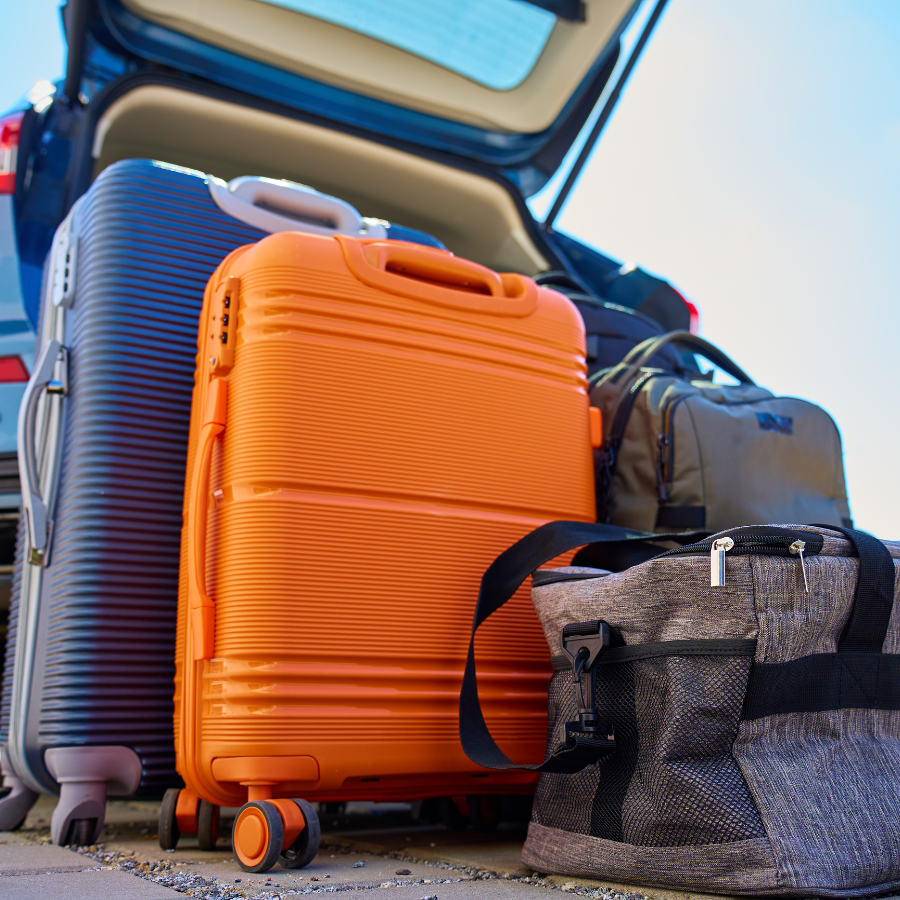
Packing for your first travel healthcare assignment sounds easy until you actually start doing it.
Scrubs? Obviously.
Regular clothes? Yes.
Shoes? Probably too many.
Toiletries, medications, chargers, important documents, and everything you need for the next 13 weeks? This is where things start getting complicated.
You don't want to forget something important, so you start preparing for every possible situation. Before long, you're standing beside a pile of belongings that suggests you're permanently relocating rather than leaving for a temporary assignment.
Then you arrive at your furnished rental, unpack everything you thought you couldn't live without, and discover the things you actually miss are completely different.
Nobody needs the exact same packing list. Your destination, housing, transportation, pets, season, and personal routines will determine what makes sense for you. But there are certain things first-time travelers often don't think about until they're already on assignment.
Here are some of the things you may be very glad you packed.
Your Own Pillow
Temporary housing can provide a bed.
It can provide sheets.
It can technically provide pillows.
That does not mean you're going to like them.
After a long healthcare shift, sleep matters, and unfamiliar housing can already make it harder to settle into your normal routine. A pillow that feels completely wrong doesn't help.
If you have a pillow you love and you're traveling by car, bring it.
The same applies to another small sleep item that makes a meaningful difference for you, whether that's a favorite blanket, eye mask, white-noise machine, or something else you regularly use at home.
You don't need to transport your entire bedroom.
Bring the things that help you actually sleep in it.
A Mattress Topper, but Only if You Have Room
This isn't going to make sense for every traveler, especially if you're flying to your assignment.
But if you're driving and have enough space, a mattress topper can be one of those items you don't appreciate until your furnished rental has a mattress that appears to have been selected primarily because it was technically a mattress.
Thirteen weeks is a long time to sleep poorly.
Before packing one, check what your housing already provides and consider how much room you realistically have. A giant mattress topper taking up half the vehicle may not be worth it if you're already struggling for space.
But comfort deserves more consideration than first-time travelers sometimes give it.
You're not staying for a weekend.
You're living there.
Blackout Curtains or a Sleep Solution for Night Shift
If you work nights, temporary housing comes with one extremely important question:
How dark is the bedroom at 9 a.m.?
Those adorable sheer curtains in the listing photos may suddenly become your greatest enemy when you're trying to sleep after a 12-hour shift.
Portable blackout curtains, a quality sleep mask, or another temporary light-blocking solution can be worth packing if daytime sleep is part of your routine. Just make sure anything you install is renter-friendly and doesn't damage the property.
This is also something worth asking about before booking housing.
"Does the bedroom have blackout curtains?" may not sound like an important housing question to someone working days.
Night-shift travelers know better.
An Extension Cord or Power Strip
Temporary housing has outlets.
They're just never where you want them.
The bedroom outlet is behind the bed. The living room has one available plug approximately six feet from the couch. Your phone charger reaches almost, but not quite, far enough.
A small extension cord or power strip can make an unfamiliar space much easier to live in, particularly if you have several devices that need regular charging.
You don't need to bring enough electrical equipment to rewire the apartment.
One practical option may be enough to keep you from rearranging furniture just so your phone can reach the nightstand.
Use it appropriately, follow the manufacturer's instructions, and make sure your housing doesn't have restrictions on what can be used.
Then enjoy not crawling behind a dresser every night.
A Laundry Bag or Basket
You probably remembered clothes.
You may not have thought about where the dirty ones are going.
A collapsible laundry basket or bag takes up very little room while traveling and becomes surprisingly useful once you're settled.
This matters even more if the washer and dryer aren't inside your rental. If you're carrying laundry to another floor, a shared laundry room, or a laundromat, you will quickly appreciate having something designed for the job.
Without one, you'll eventually improvise.
And yes, a reusable shopping bag technically works.
That doesn't mean you'll enjoy carrying three shifts' worth of laundry in it.
A Small Toolkit
You don't need to arrive prepared to renovate the apartment.
But a basic toolkit can be useful.
A screwdriver, measuring tape, scissors, and a few other simple tools can solve the minor problems that inevitably appear when you're living somewhere for several months.
Maybe you need to tighten something, open a stubborn package, measure a space, or assemble something small you purchased after arriving.
If you're driving, a compact toolkit doesn't take up much room.
If you're flying, this is firmly in the category of "buy it if you actually need it."
That's an important distinction for your entire packing list.
Useful does not automatically mean packable.
A Few Kitchen Items You Actually Care About
"Fully stocked kitchen" is a phrase with a very flexible definition.
One rental may have everything you need.
Another may have three forks, a frying pan with a mysterious history, one enormous pot, and a kitchen knife that struggles with a banana.
If you cook regularly, think about the handful of kitchen items you genuinely use all the time.
Maybe that's a good knife, travel coffee maker, favorite mug, reusable food containers, small cutting board, or a particular utensil.
Don't pack your entire kitchen.
You probably do not need six pans and a stand mixer for a 13-week assignment.
Bring the things whose absence would genuinely annoy you several times a week.
Everything else can stay home.
Food Storage Containers
If you work long shifts and regularly pack meals, a few food containers can become surprisingly important.
Your rental may have them.
Or it may have seven lids and absolutely nothing those lids belong to.
Bringing a small set you know works can make meal prep easier and reduce the number of random containers you buy during each assignment.
They're also useful for storing leftovers and snacks, especially if you're trying to avoid relying on takeout throughout the contract.
Choose containers that stack or nest together so they don't consume half your packing space.
The goal is convenience.
Not moving your entire kitchen cabinet across state lines.
A Reusable Water Bottle and Travel Mug
These are easy to forget because they feel so ordinary at home.
Then you arrive and realize you've purchased bottled water three days in a row and are drinking coffee from whatever mug happened to be in the rental.
If you use a water bottle or travel mug every day at home, bring it.
This is a good rule for packing generally.
The items worth bringing often aren't the exciting travel gadgets. They're the boring things you use constantly without thinking about them.
Your favorite water bottle probably deserves vehicle space more than the outfit you're bringing "just in case" someone invites you to an event that has never occurred during any previous 13-week period of your life.
A Few Cleaning Supplies for the First Night
You shouldn't have to deep-clean a rental when you arrive.
But you may still want a few basic supplies immediately.
Disinfecting wipes, paper towels, a small amount of dish soap, trash bags, or another basic cleaning item can be useful when you're getting settled.
This is particularly helpful if you're arriving late after a long drive and don't want your first activity in a new city to be finding a store because the rental has no trash bags.
If you're driving, create a small "first night" box with a few essentials.
If you're flying, don't waste valuable luggage space on things that are inexpensive and easy to purchase after you arrive.
Packing smarter means knowing what to bring and what to buy.
A Small Amount of Home
This one has nothing to do with practicality.
Bring something that makes the place feel like yours.
A framed photo.
A small decoration.
A favorite blanket.
A candle, if your rental permits them.
A book.
Something that sits on your nightstand at home.
Temporary housing can feel extremely temporary when you first arrive. Blank walls, unfamiliar furniture, and someone else's decorating choices don't automatically feel comfortable just because your suitcase is there.
One or two familiar things can change that.
You don't need to decorate the entire apartment.
You just need enough to make it feel like you're living there instead of waiting to leave.
A Longer Phone Charger Than You Think You Need
This deserves its own category because temporary housing has a supernatural ability to place outlets in the least convenient locations possible.
Bring a long charging cable.
Better yet, bring a backup.
Chargers are among those small items that cause an unreasonable amount of inconvenience when you forget them.
If you use multiple devices regularly, think through what each one needs before leaving. Phone, tablet, laptop, smartwatch, earbuds, and other electronics can create an impressive collection of cords.
Keep them together while traveling.
Otherwise, you'll arrive with four cables, and somehow none of them will charge the thing that's dying.
A Basic Emergency Kit
You don't need to prepare for the collapse of civilization.
You should have a few basic items for normal life.
That might include a flashlight, spare batteries if needed, basic first-aid supplies, weather-related items appropriate for your destination, and anything else you'd reasonably keep available at home.
If you're driving long distances between assignments, think about your vehicle too.
Check your tire pressure, fluids, spare tire or repair kit, roadside assistance information, and basic emergency supplies before leaving.
The road trip between assignments is part of travel healthcare.
Treat it like one.
Important Documents, Organized Before You Leave
This isn't the fun part of packing, but it may be one of the most important.
Travel healthcare can involve licenses, certifications, identification, credentialing records, vaccination documentation when required, and other professional information.
Know what you need for your specific assignment and keep appropriate documents organized and accessible.
Digital storage can make this easier, but make sure important files are secure and available when you need them.
Don't wait until you're standing at orientation to realize the document someone requested is saved on a computer sitting several states away.
Your credentialing team or facility should tell you what you need.
Your job is making sure you know where it is.
Things You Probably Don't Need to Pack
The fear of forgetting something can lead to bringing far too much.
If you're driving, it's easy to keep adding items because technically they fit.
Then you have to unload them.
And store them.
And repack them.
And move them again 13 weeks later.
Before bringing something, ask yourself three questions:
- Do I use this regularly at home?
- Would replacing it be expensive or difficult?
- Would I be genuinely annoyed if I didn't have it?
If the answer to all three is no, reconsider.
Items many first-time travelers can probably reduce include excessive clothing, too many shoes, large decorative items, duplicate kitchen equipment, stacks of books, specialty appliances rarely used, and supplies that are easy to buy after arrival.
Your first assignment will teach you more about packing than any checklist ever could.
Pack for the Life You're Actually Going to Live
This may be the best packing advice for your first travel healthcare assignment.
Don't pack for an imaginary version of yourself.
If you never hike at home, you probably don't need a complete collection of hiking equipment because your assignment is near mountains.
If you haven't worn formal clothes in two years, you probably don't need four dressy outfits.
If you don't bake, you are not going to suddenly become a person who needs three baking pans because your rental has a cute kitchen.
Think about your real routine.
You'll work.
You'll sleep.
You'll eat.
You'll do laundry.
You'll have days off.
You'll explore.
You'll probably spend more evenings than you expect watching television in comfortable clothes.
Pack for that person.
Leave Some Room in the Car
Do not fill every available inch on the way to your assignment.
You will acquire things.
Maybe you'll buy a sweatshirt from somewhere you visit. Maybe your rental doesn't have something you need. Maybe you find a great antique shop. Maybe your coworkers give you something before you leave.
Whatever happens, you will almost certainly have more belongings at the end of 13 weeks than you had at the beginning.
If the vehicle is packed like a competitive game of Tetris on day one, future you is going to be very unhappy.
Leave some space.
You'll thank yourself later.
Your Packing List Will Get Better With Every Assignment
Nobody has the perfect packing system before their first travel healthcare assignment.
You learn by doing it.
After your first contract, you'll know exactly which items you used every day and which ones stayed untouched for three months. You'll discover the tiny things that made temporary housing feel better and the giant things that weren't worth dragging across the country.
By assignment three, your packing list will look different.
By assignment six, you may have a system.
And then you'll still forget your phone charger.
Because some travel traditions are unavoidable.
The goal isn't to bring everything you could possibly need.
It's to bring enough of your normal life that wherever you land next can start feeling like home.
Ready to Pack for Your Next Assignment?
Once you know what deserves space in the car, the next question is where you're taking it.
Tags
About the Author
Scrub Society
Scrub Society is a passionate author with expertise in packing tips for assignments. they share valuable insights and knowledge through our blog.