How to Make Temporary Housing Feel Like Home
Published on October 9, 2026
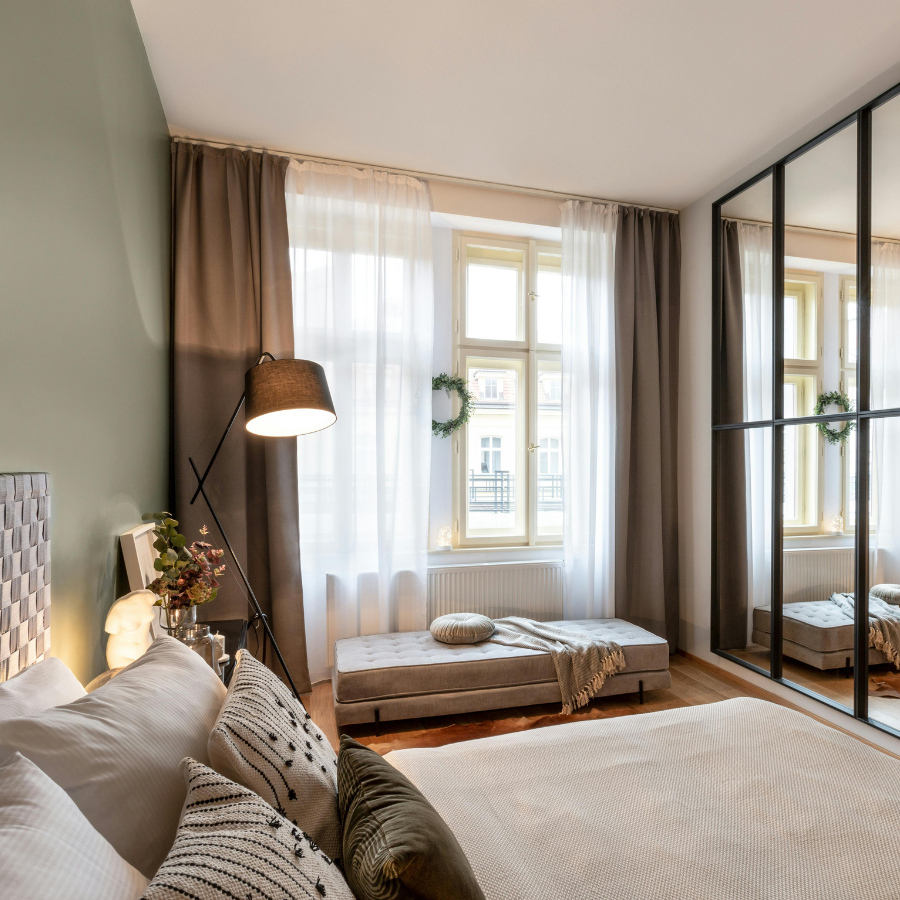
You found the assignment, made it through credentialing, packed your life into a collection of bags and bins, and finally arrived in your new city. Then you unlock the door to your temporary housing, carry everything inside, and look around.
Well, you're here.
Even when temporary housing is perfectly nice, it doesn't necessarily feel like home. The furniture isn't yours. The kitchen is arranged differently. You don't know which light switch controls what; the mattress feels strange, and you haven't figured out why the thermostat seems to have a personality of its own.
For healthcare travelers, this process can repeat every few months. Just when one apartment starts feeling familiar, the assignment ends and it's time to pack everything up and start again somewhere else.
You probably aren't going to completely transform every short-term rental you live in, nor should you have to. But a few intentional choices can make temporary housing feel less like somewhere you're staying and more like somewhere you're actually living.
Unpack More Than the Essentials
After carrying everything inside, it can be tempting to open the suitcase, pull out what you need for tomorrow, and promise yourself you'll deal with the rest later.
Then three weeks pass.
You're still digging through bags for socks, your toiletries are scattered across the bathroom counter, and half of your belongings remain in the same bins they traveled in.
Living out of a suitcase reinforces the feeling that you're only visiting. If you're going to be somewhere for several weeks or months, give yourself permission to settle in.
Put your clothes in the closet or dresser. Set up the bathroom. Organize your work items. Put groceries in the cabinets instead of leaving everything on the counter. Find an actual place for your shoes, keys, and bag.
You don't have to unpack every single thing you brought, especially if there are items you rarely use. The goal is simply to create enough order that your housing functions like your home instead of a hotel room.
Bring a Few Things That Always Mean Home
When you're trying to pack efficiently, decorative or sentimental items are often the first things left behind. You certainly don't need to transport an entire house worth of decor from assignment to assignment, but a few familiar things can make an unfamiliar room feel considerably more comfortable.
Think about the items that immediately make a space feel like yours. Maybe it's a favorite blanket, framed photos, a small piece of decor, your usual coffee mug, a candle, a pillow, or something your child made for you.
The key is choosing items that have a lot of emotional impact without taking up half the car.
You could even create a small "home box" that travels with you from assignment to assignment. When you arrive, those are some of the first things you unpack. Even though the apartment changes, those familiar pieces come with you.
After several assignments, that little routine can become part of what makes a new place feel familiar.
Make the Bedroom Comfortable First
If you're going to prioritize one room, make it the bedroom.
Healthcare schedules can already make quality sleep challenging, particularly if you're working nights, rotating shifts, or long stretches. An unfamiliar sleeping environment doesn't make it any easier.
Start by figuring out what you need to sleep well. If you're a night-shift traveler, that may include blackout curtains or a comfortable sleep mask. A white-noise machine or fan can help if your rental has unfamiliar noises, thin walls, street traffic, or neighbors operating on a completely different schedule.
If you're particular about pillows, consider bringing your own rather than hoping the rental has something comfortable. Familiar bedding, even if it's just your favorite pillowcase or blanket, can also make a temporary bedroom feel more like yours.
You don't have to create a luxury bedroom. You just want a place where you can walk in after a long shift and actually relax.
Give Yourself a Functional Post-Shift Landing Zone
Think about what happens when you get home from work.
Where do your shoes go? Where do you put your badge? What happens to your work bag? Where are your keys? Where do you empty your pockets?
At home, you probably have routines you barely think about. In temporary housing, those routines disappear until you create new ones.
Choose a spot near the entrance or bedroom for the things you need before and after work. A small basket, tray, hook, or designated section of a counter can keep your everyday essentials together.
This becomes especially useful at 5:45 in the morning when you're trying to leave and can't remember where you put your badge.
Creating a simple landing zone also keeps work from taking over the entire rental. Instead of dropping everything wherever you happen to stop after a shift, your work things have a place.
Figure Out the Kitchen Before Your First Stretch of Shifts
A furnished rental's definition of a "fully stocked kitchen" can be adventurous.
There may be six wine glasses but no cutting board. Three frying pans but no lids. Twelve forks but exactly one spoon. You may also discover halfway through cooking that the only knife available couldn't cut through a banana without assistance.
Before your first grocery trip, take inventory of what you actually have.
Then decide which missing items matter enough to buy or bring. If you cook frequently, a few inexpensive kitchen basics can make a big difference. If meal prep is part of how you survive multiple shifts in a row, containers may be worth keeping in your travel setup.
You don't need to recreate your entire kitchen. Focus on the things you genuinely use.
It also helps to stock a few reliable meals and snacks before your first work stretch. Starting a new assignment is tiring enough without coming home after your second shift and realizing the refrigerator contains mustard, bottled water, and absolutely no plan for dinner.
Create a Routine as Soon as You Can
Home isn't only a physical place. A lot of what makes home feel comfortable is knowing what happens there.
You wake up and make coffee a certain way. You take the dog out. You sit in the same chair. You watch a show before bed. You go to the grocery store on a particular day. You take a walk after work.
Those routines disappear when you move, but you can build new ones surprisingly quickly.
Find a grocery store you like. Figure out where you'll get gas. Pick a coffee shop. Find a walking route, gym, park, church, library, or other place that fits your normal life. Decide what your post-shift routine will look like.
The more familiar your daily life becomes, the less your new city feels like somewhere you're temporarily passing through.
Don't Wait Until the End of the Assignment to Explore
It happens more easily than you might think.
The first week is orientation. The next week you're tired. Then you're adjusting to your schedule. You keep telling yourself you'll explore once you're settled.
Suddenly, you're halfway through the assignment.
Your temporary housing will feel more like home when the surrounding community starts feeling familiar too. That doesn't mean every day off needs to become an elaborate sightseeing trip.
Start small.
Try a local restaurant instead of ordering from a familiar chain. Walk around a nearby downtown area. Visit a farmers market. Find a park. Go to a local event. Ask coworkers where they actually spend their time.
Eventually, you stop needing directions every time you leave the house. You recognize streets. You have favorite places. You know which grocery store has the good parking lot.
Those tiny things are part of settling in.
Make Room for Your Actual Life
It's easy to treat an assignment like a 13-week work trip.
You go to work, come home, eat, sleep, and repeat.
But you're not just working in that city. For the duration of your assignment, you're living there.
Make space for the parts of your life that have nothing to do with your job. If you love reading, create a comfortable place to read. If you exercise regularly, figure out how you'll continue doing that. If faith is an important part of your routine, look for a local community or continue the practices you have at home. If you love cooking, don't resign yourself to takeout for three months.
You may need to adapt your routines to a smaller space or different schedule, but maintaining pieces of your normal life can make an assignment feel much more grounded.
Work is the reason you moved there.
It doesn't have to become the only thing you do while you're there.
Stay Connected to the People Who Feel Like Home
Sometimes the thing you're missing isn't your couch.
It's your people.
A beautiful apartment won't completely solve homesickness when what you really miss is your family, friends, partner, kids, or pets.
Build staying connected into your routine instead of waiting until you're already feeling isolated. Schedule video calls. Send photos from your new city. Watch a show together from different states. Have a standing phone call during your commute or on a day off. Plan visits when your schedule and distance allow.
At the same time, give yourself room to form relationships where you are. Grab dinner with a coworker. Meet another traveler for coffee.
Join a local group or activity. Say yes occasionally when someone invites you somewhere after work.
You don't have to choose between maintaining your relationships at home and building a temporary community on assignment. Both can make the experience feel less lonely.
If You Travel With a Pet, Help Them Settle In Too
For travelers who bring pets, your temporary housing isn't just new to you.
Your dog doesn't understand why their entire world has been packed into a car and relocated. Your cat definitely did not approve this plan.
Familiar items can help pets adjust. Bring their regular bed, blanket, toys, bowls, and other things that smell like home. Try to maintain their usual feeding, walking, and bedtime routines as much as your schedule allows.
Before you start working, figure out where you'll walk your dog, locate a nearby veterinarian, and identify any pet care you'll need during long shifts. If you're using a sitter, walker, or daycare, give yourself time to find someone you're comfortable with rather than trying to arrange everything during your first week of work.
A pet settling comfortably into the new space can also make it feel more like home for you.
Few things make an unfamiliar apartment feel normal faster than finding dog hair on the couch.
You Don't Have to Spend a Fortune Decorating
Temporary housing doesn't need an interior-design budget.
In fact, buying a lot of assignment-specific decor creates another problem at the end of the contract: you have to figure out what to do with all of it.
Instead, look for small, inexpensive changes that have a big impact. A throw blanket can make an unfamiliar couch more comfortable. A few removable hooks can improve storage. A small lamp may make harsh overhead lighting less miserable. An inexpensive basket can organize the clutter that otherwise collects on the counter.
If you do buy something specifically for the rental, ask yourself whether you'll realistically take it to your next assignment.
If the answer is no, think twice before accumulating another thing you'll have to pack, donate, sell, or leave behind in 13 weeks.
Give It a Little Time
The first night in a new rental can feel strange.
Every sound is unfamiliar. You don't know where anything is. You're tired from traveling, thinking about orientation, and wondering whether you made the right decision.
That doesn't mean the housing is wrong or the assignment is going to be miserable.
Sometimes you simply need a little time.
A week later, you'll know which cabinet has the coffee mugs. You'll stop hitting the wrong light switch. You'll know exactly how long it takes the shower to warm up. You'll have a preferred spot on the couch.
A few weeks after that, someone may ask where you're staying and you'll accidentally say, "I'm heading home."
That's usually when you realize it happened.
The temporary place started feeling like yours.
Make Yourself at Home, Even If It's Temporary
One of the strange things about travel healthcare is learning how quickly the definition of home can change.
For a few months, home might be a studio apartment in a city you've never visited. It might be an extended-stay hotel, a rented room, an RV, or a furnished house you share with another traveler.
It doesn't need to be permanent to deserve a little effort.
Unpack. Put the pictures out. Find your coffee shop. Learn your neighborhood. Create your routines. Invite someone over. Explore on your days off.
Your assignment may only last 13 weeks, but those 13 weeks are still part of your life.
You might as well make yourself at home.
Find a New Place to Call Home for a While
Sometimes the next place that feels like home starts with finding the right assignment.
Tags
About the Author
Scrub Society
Scrub Society is a passionate author with expertise in housing/rv living. they share valuable insights and knowledge through our blog.