How Communication Skills Shape a Travel Healthcare Professional's Career
by Paul Lazarus
Published on October 2, 2026
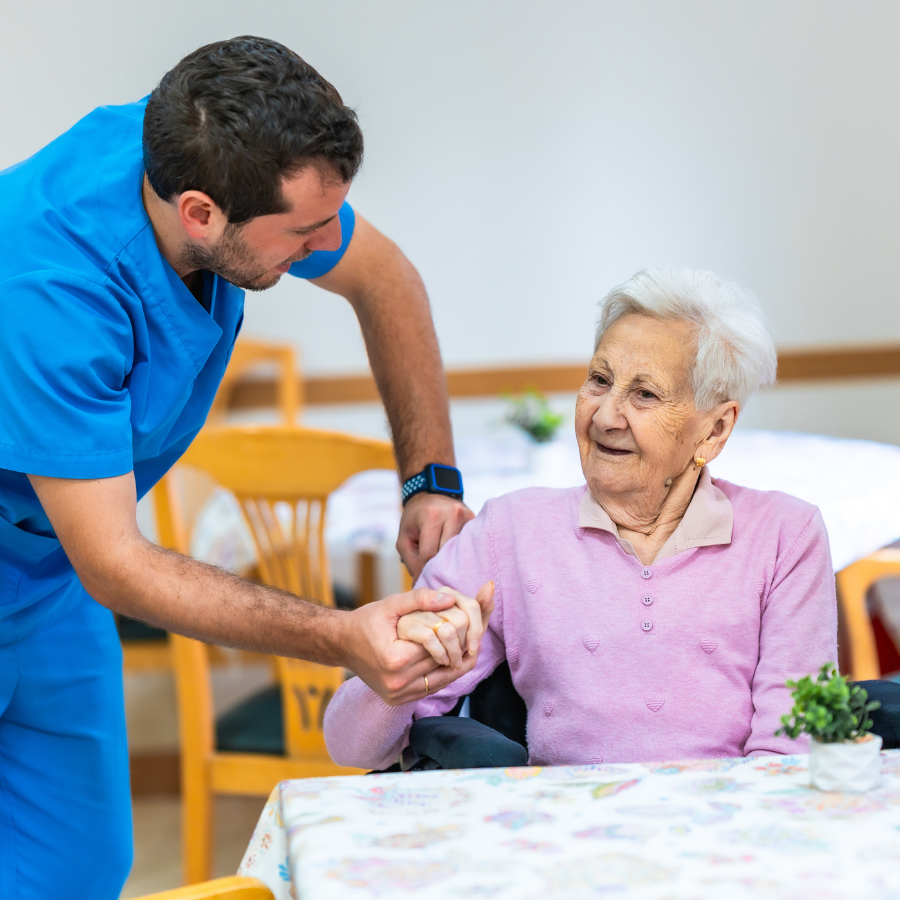
Travel healthcare offers professionals the chance to work in different facilities, meet diverse teams, and adapt to unfamiliar clinical environments. Each assignment brings its own expectations, workflows, personalities, and patient populations. Success therefore depends on more than clinical knowledge alone.
Communication plays a major role in how healthcare professionals adjust to these changes. Clear conversations can help build trust with patients, strengthen relationships with coworkers, and reduce misunderstandings. This can be especially important for travel nurses when they need to advocate for patients and seek information independently.
Why Healthcare Professionals Choose the Travel Path
Healthcare professionals across different specialties can choose travel assignments to gain new experiences, explore different locations, and develop their careers. Nurses have traditionally made up a large share of the travel healthcare workforce.
Travel nurses can make six-figure incomes while working for about nine months each year. The combination of higher earnings and greater flexibility has encouraged thousands of nurses to leave permanent staff positions. They can earn 30% to 50% more than their traditional counterparts.
The Conversation found that many left permanent positions to reduce burnout, too. The flexibility and independence gave them opportunities to focus on personal and professional priorities.
“You’re always trying to learn new policies at the new hospital that you’re in, learning about the new doctors, nursing staff, new ways of doing things, where things are located. That helps keep me from feeling burned out so quickly,” a travel nurse said.
Travel opportunities are also available to many allied health and other healthcare professionals. Each assignment for these professionals brings new opportunities to learn and adapt.
That adaptability also makes communication especially important for travel healthcare professionals. They may need to quickly understand a facility's policies, communicate with unfamiliar colleagues, and work with new supervisors.
Does Travel Nursing Provide Exposure to Different Healthcare Systems?
Travel nurses can work in hospitals, clinics, rehabilitation centers, and other healthcare settings with different policies and workflows. Experiencing these environments can help nurses compare approaches to patient care, staffing, documentation, and teamwork. This exposure may also help them identify the type of workplace or specialty that fits their long-term goals.
Communication Skills Can Open New Career Paths
Strong communication skills can also influence where a healthcare career goes over time. Someone with an ability to listen carefully, explain appropriately, and recognize emotional cues may discover an interest in roles that involve greater patient interaction.
Mental health is one area where these abilities can have particular value. For healthcare professionals who want to develop specialized expertise in this area, graduate education can provide a structured path. Programs such as an accredited master’s in mental health counseling online can allow qualified students to pursue advanced education in that field.
St. Bonaventure University notes that 100% of coursework in such programs is online. Thus, it provides an opportunity for traveling healthcare professionals who are accustomed to changing schedules and assignments.
Communication skills developed during travel assignments can also provide useful preparation for this type of career progression. Every patient conversation, team discussion, and difficult workplace interaction can offer another opportunity to become a more thoughtful and effective communicator.
Listening Is Just as Important as Speaking
Good communication is often associated with speaking clearly, but listening deserves equal attention. Travel healthcare professionals work with patients who have different concerns, expectations, cultural backgrounds, and ways of expressing themselves. Listening carefully can help a professional understand what a patient is actually saying rather than relying on assumptions.
Active listening involves giving the speaker appropriate attention, asking relevant follow-up questions, and confirming important details. It can also mean recognizing when someone is uncomfortable, confused, frightened, or reluctant to speak.
The good thing is that listening can be learned with consistent practice. A university course recently taught health-profession students active listening over 13 weeks. The result showed significant improvements in their listening scores.
This is particularly important during short-term assignments. Travel professionals may have limited time to establish relationships with patients, making each interaction meaningful.
Why Can Patients Respond Differently When They Feel Heard?
Patients may become more willing to share information when they believe a healthcare professional is genuinely paying attention. Feeling heard can make conversations more comfortable, particularly when someone is discussing sensitive or personal concerns.
A patient who feels respected may also be more likely to ask questions, explain symptoms, or mention concerns that could affect their care.
Clear Communication Supports Patient Advocacy
Travel healthcare professionals need to advocate for their patients. That can involve reporting a change in condition, requesting additional support, clarifying an order, or raising a safety concern. A vague message can create confusion. A well-structured message can help the right person understand the situation and respond appropriately.
For example, instead of simply saying that a patient "doesn't feel right," a healthcare professional can describe the relevant symptoms, changes, observations, and concerns. This gives the receiving clinician more useful information and creates a clearer basis for the next decision.
Clear communication is also important to build trust with patients. “When you trust your life and intimate moments to someone, it requires that nurse to convey that they can be trusted to protect them, keep them safe, advocate for them, and care for them,” per former American Nurses Association president Pamela Cipriano.
How Does Clear Communication Help Healthcare Professionals Advocate for Patients?
Clear communication gives healthcare professionals a stronger way to explain a patient’s condition, concerns, and changing needs. Specific observations and relevant details can help other members of the care team understand the situation and respond appropriately.
It also encourages patients to become proactive with their own care by making them aware of their condition.
Communication Can Strengthen Professional Relationships
Travel healthcare professionals move between teams, which means they have frequent opportunities to build new professional relationships. A simple introduction can set the tone for an entire assignment. Asking coworkers for guidance, acknowledging their assistance, and communicating concerns respectfully can help establish trust.
An MDPI study involving 328 nurses in Peru found a strong connection between effective communication and teamwork. Nurses who clearly communicated organizational values also reported better collaboration with their colleagues. The study also highlighted the importance of institutional culture and conflict resolution to facilitate communication.
This can help mitigate issues arising from a lack of communication in healthcare. A global review of 46 studies found that poor communication was the only cause of patient-safety incidents in more than one in ten cases. Communication problems also played a role in about one-quarter of incidents when combined with other contributing factors.
These relationships can also contribute to future career opportunities. Healthcare is a highly connected profession, and the people professionals meet during assignments can become mentors, colleagues, references, and more.
Developing Communication Skills Takes Practice
Communication is a skill that can improve with deliberate practice. Travel healthcare professionals can work on it during everyday interactions rather than waiting for a formal training program.
A few practical approaches include:
- Ask clarifying questions: Make sure you understand instructions before acting on them.
- Practice active listening: Give patients and coworkers your full attention.
- Keep explanations simple: Avoid unnecessary medical terminology when speaking with patients.
- Use structured handoffs: Present information in a logical order so others can understand it quickly.
- Speak up about concerns: Patient advocacy requires professionals to communicate when something seems wrong.
- Pay attention to nonverbal cues: Facial expressions, posture, and tone can provide additional context.
- Request feedback: Ask trusted colleagues where your communication could improve.
- Adjust to your audience: A conversation with a patient may require a different approach than a discussion with a physician or recruiter.
These habits can become especially valuable as professionals move between facilities and take on greater responsibilities.
Key Travel Healthcare and Communication Statistics
- Some travel nurses work for about: Nine months each year
- Reported potential earnings compared with traditional staff nursing roles: 30% to 50% more
- Active listening training referenced in the article: 13 weeks
- Poor communication identified as the sole cause of patient-safety incidents: More than one in ten
- Communication problems contributing to incidents alongside other factors: Approximately 25%
Communication is one of the skills that can shape a travel healthcare professional's experience from the first day of an assignment. Clear communication helps professionals understand expectations, work with unfamiliar teams, advocate for patients, and develop meaningful relationships.
As healthcare professionals gain experience across different environments, these skills can also influence the direction of their careers. Strong communication may open doors to new specialties and roles, including areas focused heavily on patient emotional and mental well-being.
Ready to Put Your Skills to Work on Your Next Assignment?
Strong communication can make a difference wherever your travel healthcare career takes you. Whether you are looking for a new facility, a different location, or your next professional challenge, the right assignment can give you another opportunity to grow.
Explore current opportunities on the Scrub Society Job Board and find an assignment that fits what you want next.
Tags
About the Author
Paul Lazarus
Paul Lazarus is a freelance content writer and violinist by profession. He holds a master’s degree in psychology and writes content for a wide range of industries, including real estate, legal, healthcare, crypto, and more.